


1. NEGLECTING SUNLIGHT REQUIREMENTS
One of the biggest mistakes I made initially was not paying enough attention to sunlight exposure. Before designing your garden layout, assess the sunlight patterns in your yard. Most vegetables need at least 6-8 hours of direct sunlight daily. Plan your garden beds accordingly to maximize sun exposure for optimal growth.
2. OVERCROWDING PLANTS
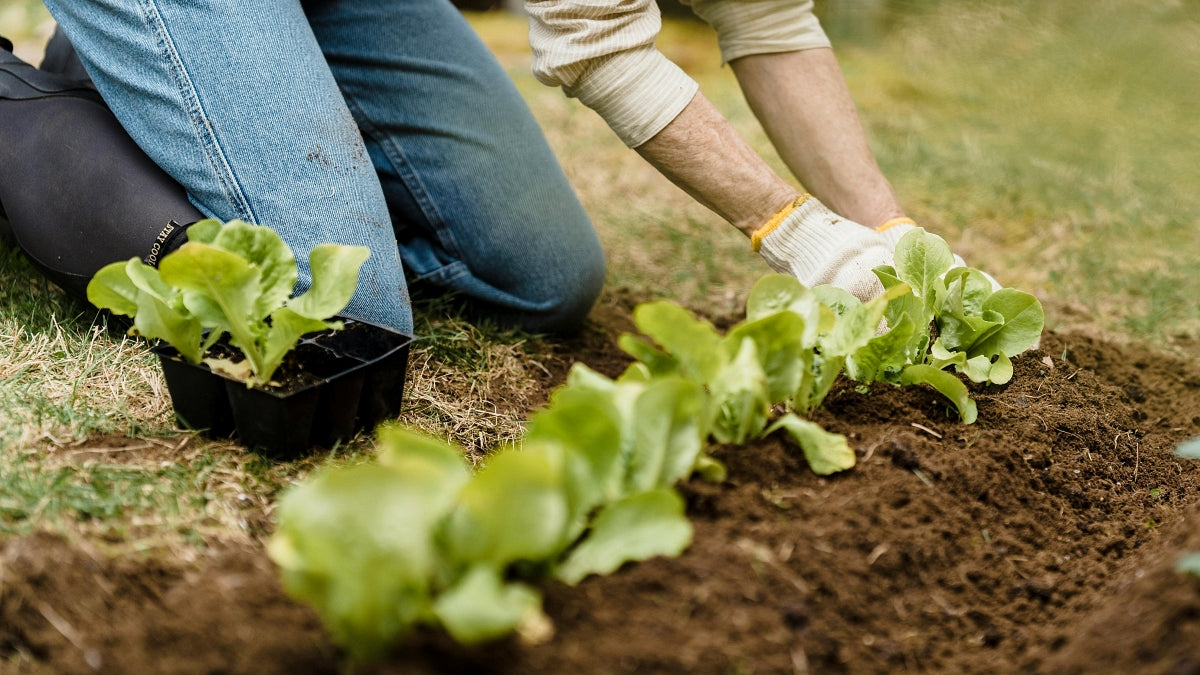
It's tempting to plant as much as possible in a limited space, but overcrowding can lead to stunted growth, increased susceptibility to pests and diseases, and competition for nutrients. Follow spacing guidelines for each vegetable type to ensure proper airflow and room for expansion.

3. IGNORING SOIL HEALTH
Healthy soil is the foundation of a thriving vegetable garden. Avoid the mistake of neglecting soil quality. Invest in organic matter like compost and aged manure to improve soil structure, fertility, and drainage. If you want, you may wish to conduct soil tests to determine pH levels and nutrient deficiencies for targeted adjustments to your garden beds.

4. FORGETTING ABOUT WATERING NEEDS
Inconsistent watering can stress plants and affect yields. Set up a reliable watering system and be mindful of each plant's water requirements. Overwatering can be just as detrimental as underwatering, so strike a balance and monitor soil moisture regularly.
5. FAILING TO ROTATE CROPS
Planting the same vegetables in the same spot year after year can deplete soil nutrients and increase the risk of pest and disease buildup. Implement crop rotation by rotating plant families annually to maintain soil health and minimize gardening challenges.

6. NEGLECTING PEST AND DISEASE MANAGEMENT
Pests and diseases can quickly wreak havoc on a vegetable garden if left unchecked. Stay proactive by practicing integrated pest management (IPM) techniques, such as companion planting, using physical barriers, and employing organic pest controls when necessary.

7. OVERLOOKING MAINTENANCE AND ACCESSIBILITY
Design your vegetable garden with ease of maintenance in mind. Ensure pathways are wide enough for wheelbarrows or you can easily walk between them and that your garden beds are accessible for planting, weeding, and harvesting. Regular maintenance tasks, like pruning and mulching, should definitely be factored into your garden layout.
Some more articles you may have missed ..
View all-
Embarking on Your Seed-to-Garden Journey: A Per...
Watching my raised bed garden grow from tiny seeds to plentiful produce has been a very rewarding experience. As an avid home gardener in Australia, I've learned through trial and...
Embarking on Your Seed-to-Garden Journey: A Per...
Watching my raised bed garden grow from tiny seeds to plentiful produce has been a very rewarding experience. As an avid home gardener in Australia, I've learned through trial and...
-

What to Plant & Garden Jobs to Tackle in June
As the chill of winter settles in, it’s easy to think that gardening should take a back seat. However, June offers plenty of opportunities to plant and prepare for the...
What to Plant & Garden Jobs to Tackle in June
As the chill of winter settles in, it’s easy to think that gardening should take a back seat. However, June offers plenty of opportunities to plant and prepare for the...
-
How to grow garlic in your own veggie patch
A GUIDE TO CHEMICAL-FREE, FLAVOURFUL GARLIC WHY GROW YOUR OWN GARLIC? Did you know that most of the garlic consumed in Australia is imported, primarily from China? To ensure its...
How to grow garlic in your own veggie patch
A GUIDE TO CHEMICAL-FREE, FLAVOURFUL GARLIC WHY GROW YOUR OWN GARLIC? Did you know that most of the garlic consumed in Australia is imported, primarily from China? To ensure its...
